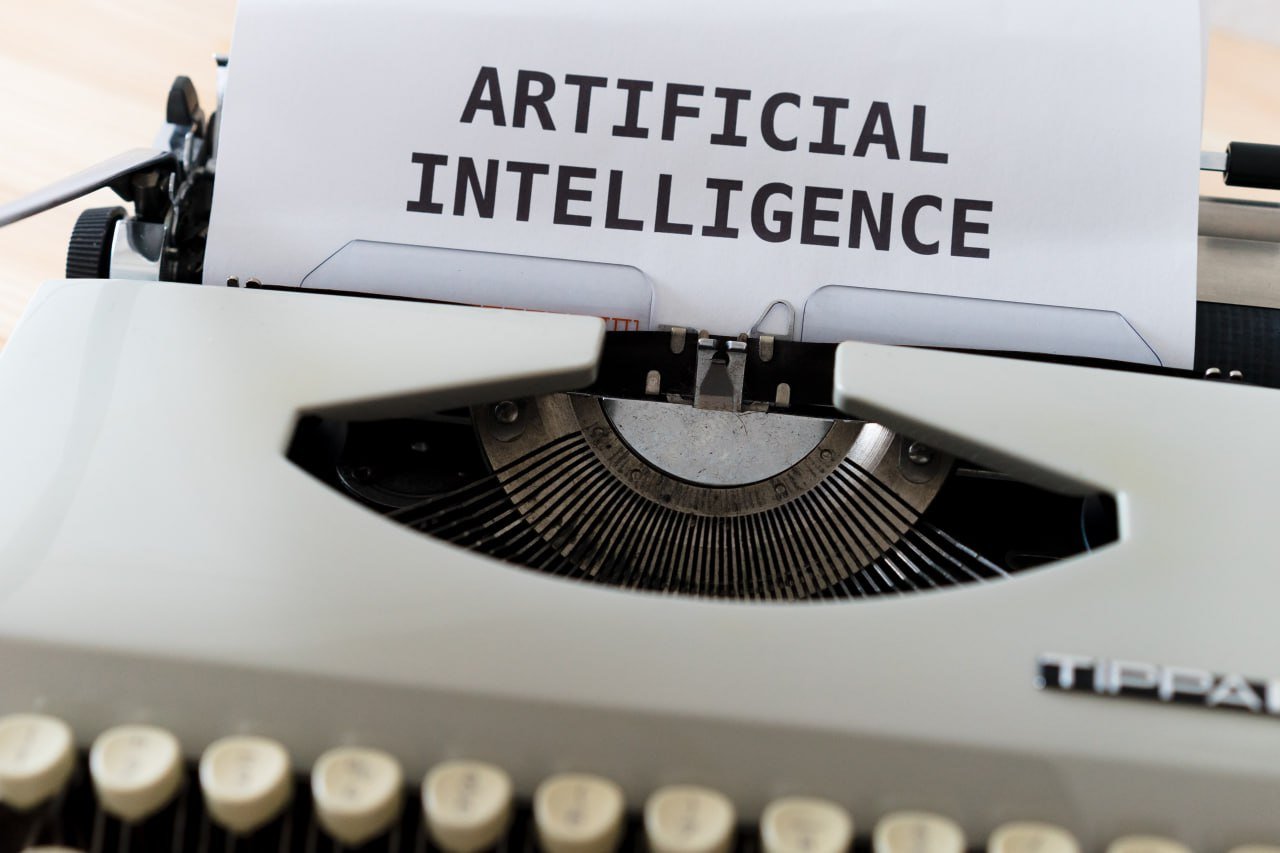
The rapid advancement of
artificial intelligence (AI) technologies has ushered in a new era of
innovation and transformation across various sectors. From healthcare to
transportation, AI is reshaping industries and raising important questions
about its ethical implications and societal impact. This essay delves into the
multifaceted landscape of AI development, examining both its promises and
challenges and highlighting the need for a balanced approach to harnessing its
potential.
The Rise of AI and
Automation
AI technologies, fueled
by machine learning and neural networks, have led to remarkable breakthroughs
in tasks once thought exclusive to human intelligence. Automation of repetitive
and data-intensive processes has increased efficiency in manufacturing,
logistics, and data analysis. For instance, self-driving vehicles leverage AI
algorithms to interpret complex traffic scenarios and make split-second
decisions, reducing accidents and congestion.
Ethical Considerations in
AI Development
While AI offers immense
benefits, its rapid deployment also raises ethical concerns. The use of AI in
decision-making, such as credit scoring or parole assessment, risks
perpetuating bias if not carefully designed and monitored. Additionally, the
emergence of deepfake technology calls into question the authenticity of
digital content and challenges the boundaries of truth in media and
communication. Striking a balance between technological progress and ethical
considerations is crucial to avoid unintended consequences.
AI in Healthcare and
Biomedicine
AI's potential in
healthcare is revolutionary, with applications ranging from disease diagnosis
to drug discovery. Machine learning algorithms can analyze vast datasets to
identify patterns and potential therapies. AI-driven medical imaging techniques
enhance accuracy in diagnosing conditions like cancer and heart diseases.
However, concerns over data privacy, patient consent, and the potential for
replacing human medical professionals require careful scrutiny.
Social and Economic
Implications
The widespread adoption
of AI also has socioeconomic implications. While automation may lead to
increased efficiency, it could also displace jobs, necessitating retraining and
adaptation of the workforce. The digital divide could widen as access to
AI-driven services becomes unequally distributed, exacerbating existing
societal inequalities. Striking a balance between job creation and
technological advancement is essential to avoid alienating segments of the
population.
Conclusion
Artificial intelligence
is reshaping the world at an unprecedented pace, offering transformative
potential across industries and sectors. However, the benefits of AI must be
balanced with careful consideration of its ethical, societal, and economic
implications. It is imperative that as AI evolves, interdisciplinary
collaboration takes center stage, involving ethicists, technologists,
policymakers, and the public. By approaching AI development with thoughtful
consideration and an emphasis on responsible innovation, society can navigate
the evolving landscape and ensure that AI technologies are harnessed for the
greater good.