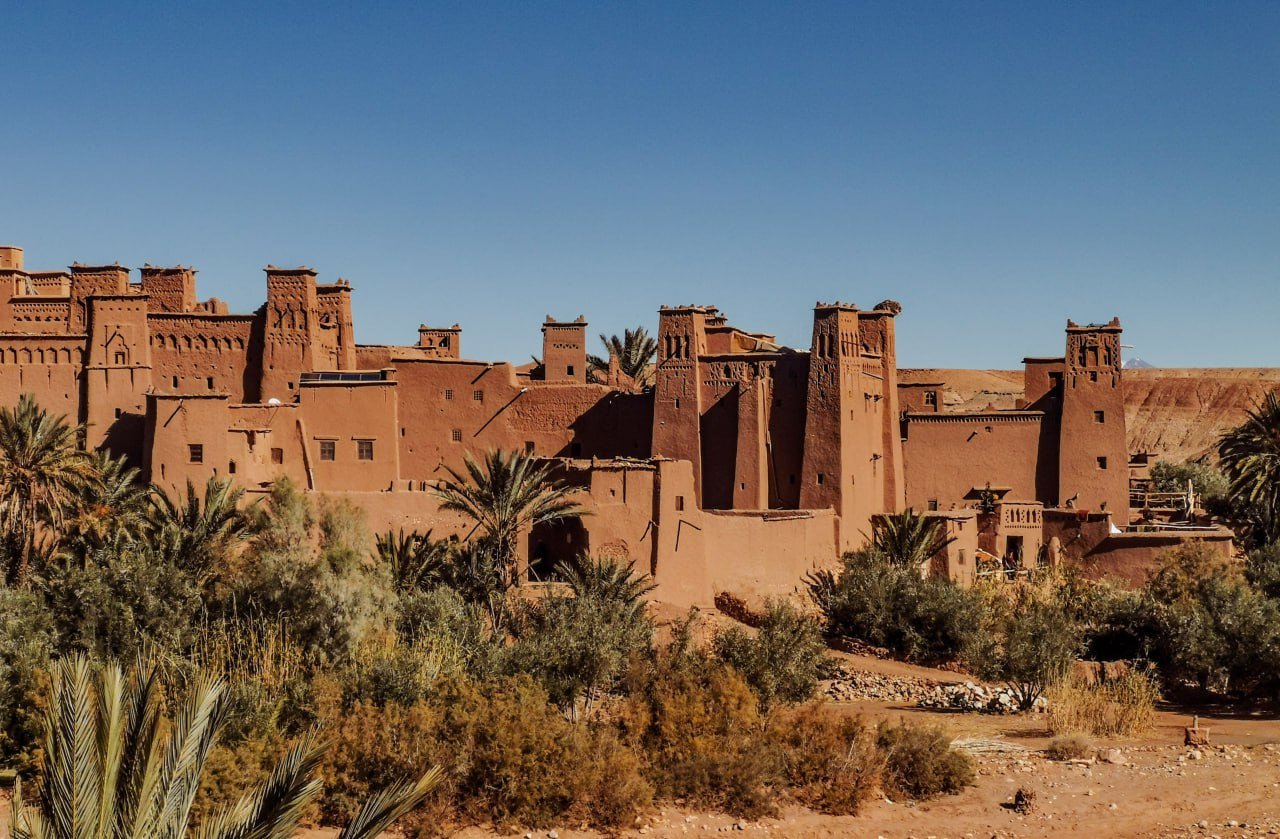
In the evolution of
societies, the importance of preserving cultural heritage becomes increasingly
apparent. This essay explores the multifaceted role of cultural heritage
preservation, elucidating its impact on cultural identity, societal cohesion,
and the broader understanding of our diverse human story.
Cultural Heritage as
Identity Anchor
Historical monuments,
artifacts, and intangible traditions offer portals to history, enabling
individuals to trace their roots and connect with ancestral narratives. In the
face of modernization and globalization, the preservation of ancient monuments
like the Pyramids of Giza or the Great Wall of China serves as an anchor for
cultural identity.
Intergenerational
Transmission of Values
Cultural heritage acts as
a bridge between generations, facilitating the transfer of values, wisdom, and
traditions. Traditional craftsmanship, oral traditions, and storytelling become
vessels through which ancestral knowledge is passed down. Engaging with
heritage fosters a sense of continuity and belonging, forging intergenerational
connections that enrich lives.
Fostering Cross-Cultural
Understanding
The significance of
cultural heritage goes beyond geographical boundaries, offering a lens to comprehend
the experiences of distant societies. Museums, cultural exchanges, and heritage
sites provide opportunities for cross-cultural dialogue, fostering empathy and
understanding. This encourages mutual respect and dispels stereotypes,
promoting a more inclusive global narrative.
Challenges in Cultural
Heritage Preservation
Numerous challenges,
ranging from environmental degradation to political instability, threaten
cultural heritage preservation. Urbanization and unchecked development endanger
historical sites and traditional practices. Moreover, cultural heritage can be
misused for political or nationalistic agendas, requiring balanced strategies
that prioritize authenticity and inclusivity.
Strategies for
Sustainable Preservation
Effective cultural heritage
preservation demands a balance between conservation and adaptation. Digital
technologies, such as virtual reality and 3D modeling, can recreate lost
heritage and enhance accessibility. Community involvement, capacity-building,
and responsible tourism also contribute to sustainable preservation efforts
that empower local communities and safeguard heritage.
Conclusion
Preserving cultural
heritage is an investment in collective memory, identity, and shared human
experience. As societies navigate modern complexities, safeguarding cultural
heritage becomes a testament to tradition's resilience and the power of
connection. By doing so, we ensure that diverse human narratives continue to
enrich, inspire, and inform future generations.