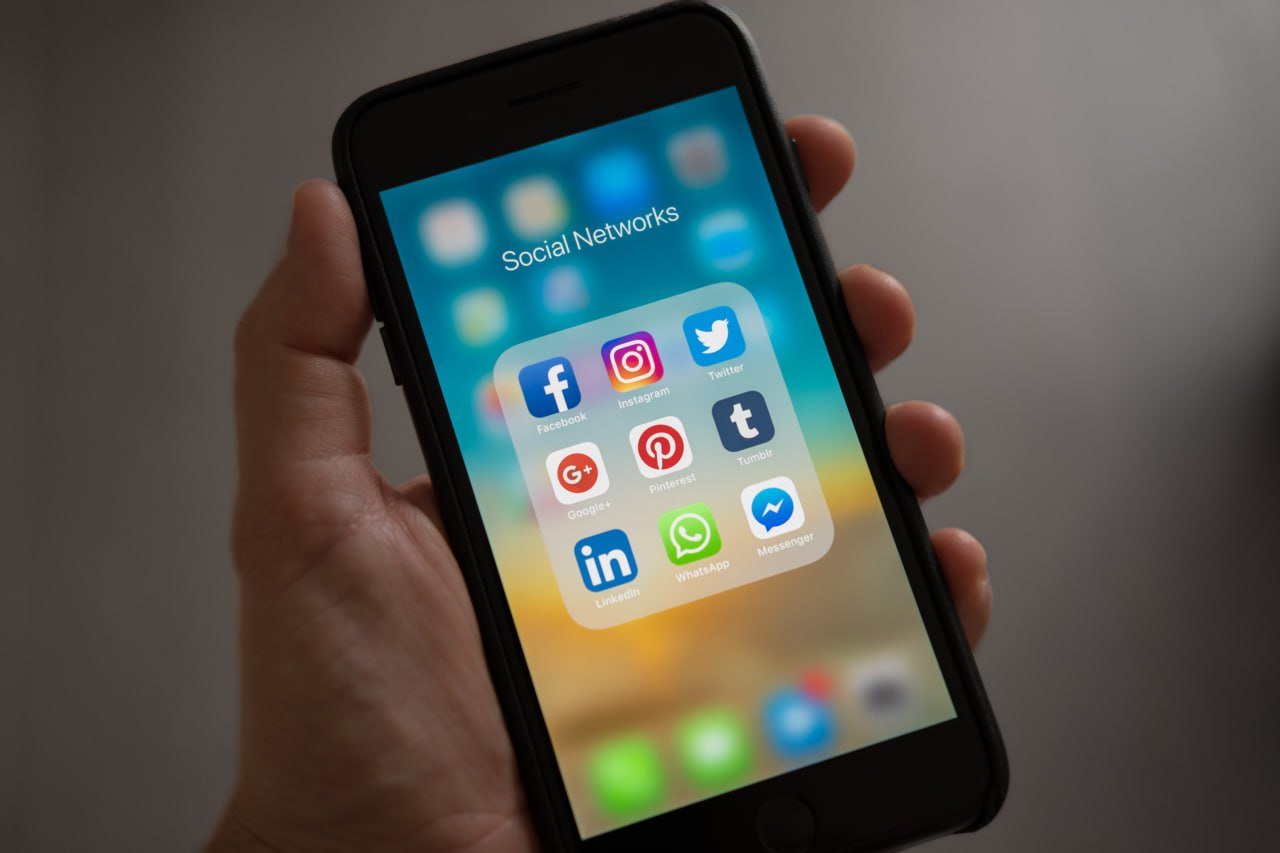
The
rise of social media has revolutionized communication, information sharing, and
connection on a global scale. However, as the use of social media becomes
ubiquitous, concerns have emerged about its potential impact on mental health.
This essay explores the nuances of this relationship, acknowledging that social
media is not solely a detriment to mental well-being, but a complex landscape
where benefits and challenges coexist.
Social
media platforms offer opportunities for positive interactions, support, and
self-expression. Virtual communities and peer groups provide individuals with a
sense of belonging and a platform to share experiences. Online mental health
campaigns and resources have also emerged, reducing stigma and promoting
awareness of mental health issues. These positive aspects underscore the
potential for social media to facilitate positive mental health outcomes.
However,
research indicates that excessive or harmful social media use can contribute to
negative mental health outcomes. The "social comparison" phenomenon,
where individuals compare their lives to idealized portrayals on social media,
can lead to feelings of inadequacy and anxiety. Cyberbullying, harassment, and
online abuse have emerged as serious threats to mental well-being, particularly
among adolescents. Moreover, constant exposure to curated images and lifestyles
can foster feelings of loneliness and depression.
Efforts
to mitigate the potential negative effects of social media on mental health are
essential. Digital literacy programs can equip individuals with critical
thinking skills to evaluate and navigate online content. Creating safe and
supportive online environments through proactive moderation and user reporting
mechanisms can deter cyberbullying and harassment. Additionally, promoting
"digital detox" practices and setting healthy boundaries for social
media use can help individuals maintain a healthier relationship with
technology.
The
relationship between social media and mental health is multifaceted,
encompassing both positive and negative aspects. While social media can provide
a sense of community and support, its potential negative consequences, such as
social comparison and cyberbullying, cannot be overlooked. By fostering digital
literacy, promoting responsible online behaviors, and encouraging individuals
to strike a balance between online and offline life, society can harness the
positive potential of social media while safeguarding mental well-being.